

News
-
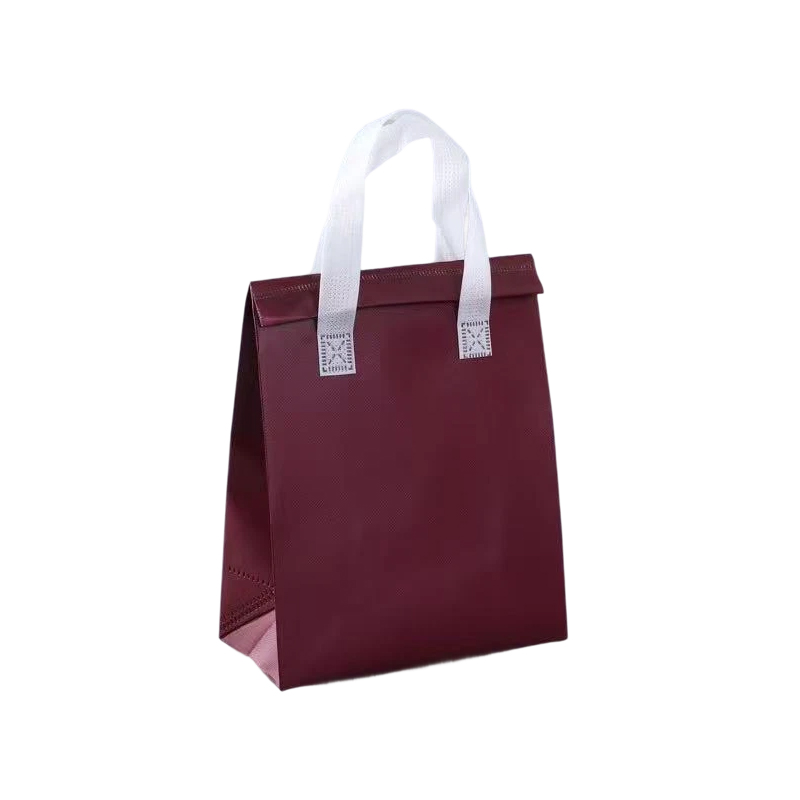
How can we reduce scrap material generation and improve material utilization in the production of non-woven handbags?
The design of non-woven handbags should take into full account the shape and size characteristics of the material, avoiding overly complex structures or irregular outlines.
Learn More2026-03-11 -
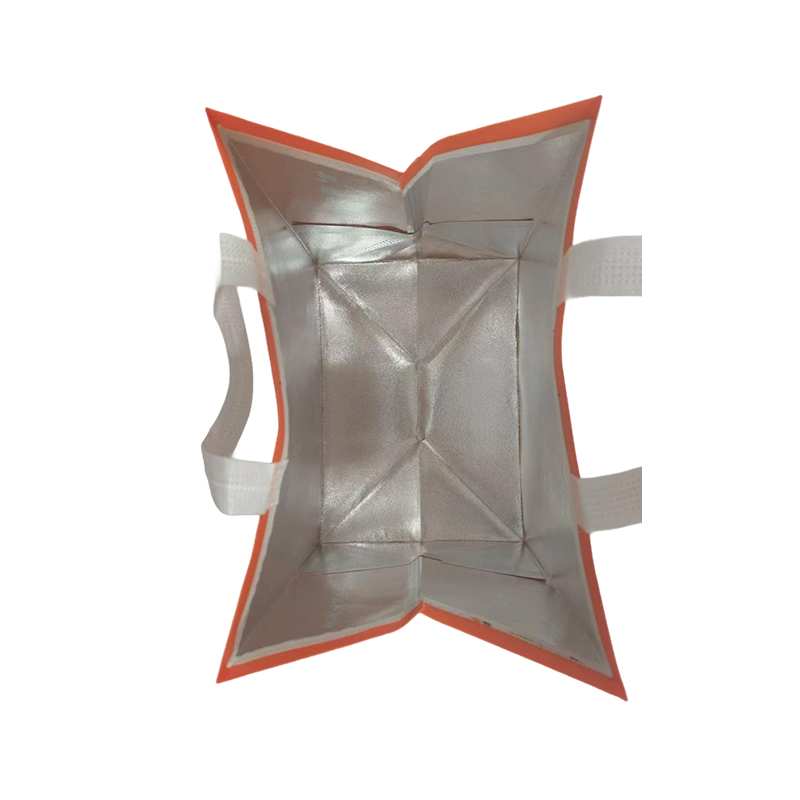
How to choose the right thread to ensure the strength of the stitching when making non-woven handbags?
In this situation, you can choose specially treated reinforced sutures, or use double stitching in critical areas to increase strength.
Learn More2026-03-02 -
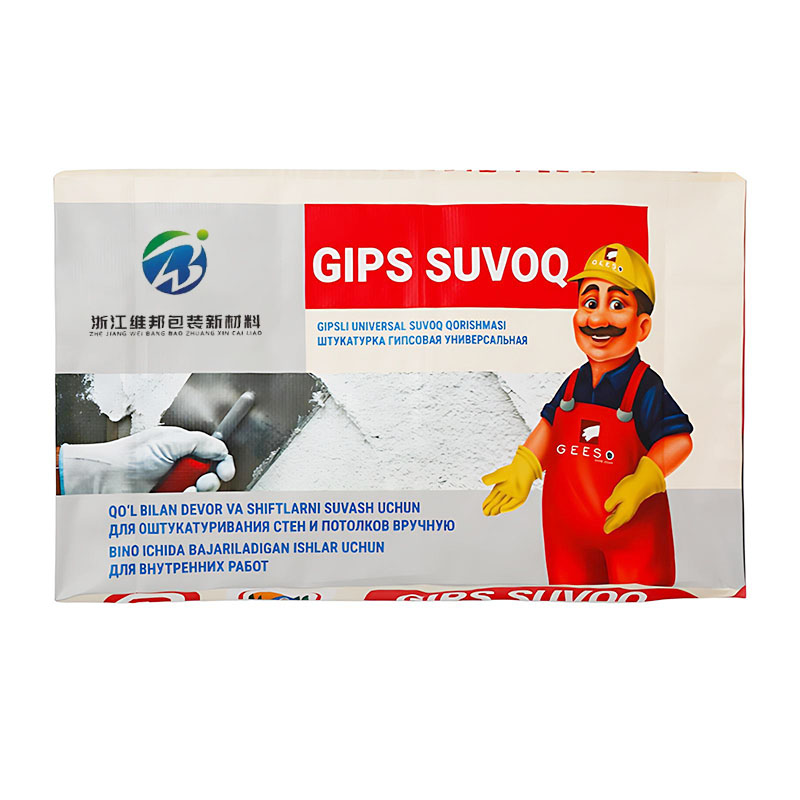
How does the Putty Bag redefine the environmental and efficiency standards of powder packaging with its valve-type sealing design?
In the field of building decoration and coating construction, putty, as a key material for wall leveling, is used in huge quantities and frequently.
Learn More2026-02-27 -
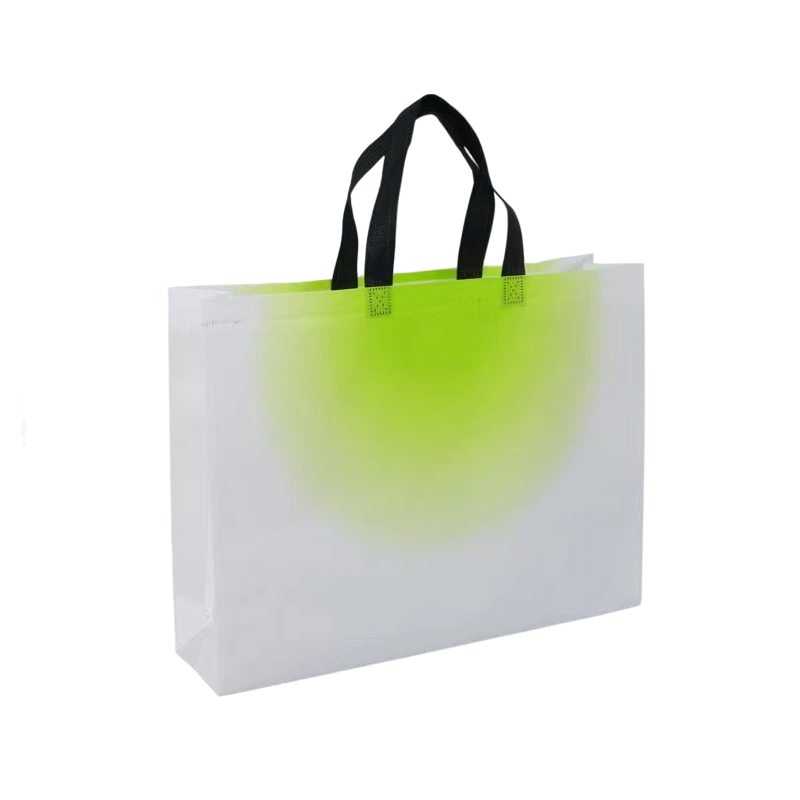
How to control the cutting precision in the production of non-woven handbags to ensure the splicing quality of each component?
In the production of non-woven handbags, cutting precision is one of the core factors affecting the quality of splicing various components.
Learn More2026-02-16 -
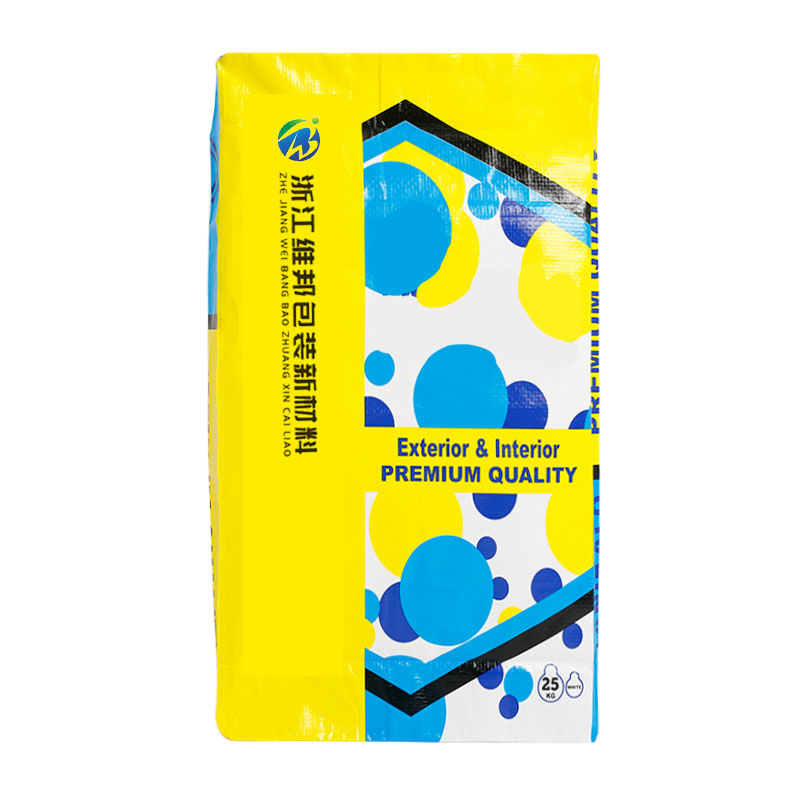
Why Gypsum Bags Exhibit Superior Durability During Repeated Handling and Stacking
Gypsum bags—commonly used for packaging construction-grade gypsum, plaster, or drywall compounds—are engineered to withstand the rigorous demands of industrial logistics. Typically filled with heavy loads ranging from 25 to 50 kilograms, these bags are su
Learn More2026-02-12 -
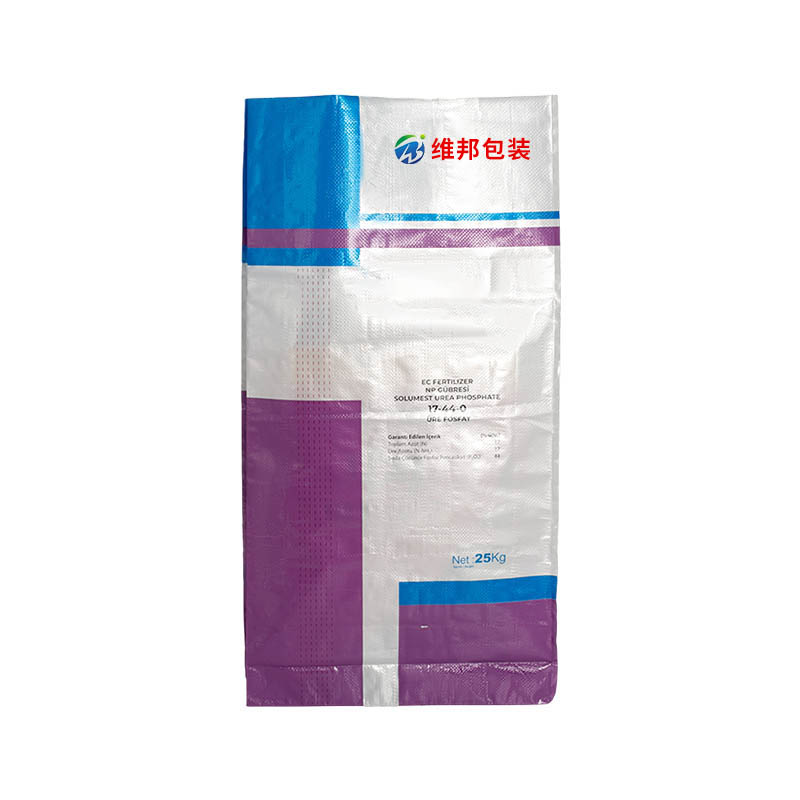
How does a square bottom open pocket ensure upright stability during powder filling?
In the industrial packaging of powders and granules, the square bottom open pocket, with its unique structural design and material properties, has become the mainstream packaging form for products such as cement, chemical raw materials, food additives, an
Learn More2026-02-02